What 2027 Fashion Trends Reveals About an Industry Settling Its Debts
Part 1
“Fashion is the armor to survive the reality of everyday life.”
— Bill Cunningham
In 2019, a Chanel Classic Flap bag in medium cost $5,800. By early 2025, it cost $11,300. The bag did not change. The quilting did not deepen. No new construction method was deployed or new craft introduced. The stitching that has functioned, since Karl Lagerfeld revived it in the 1980s, as universal shorthand for refined, unimpeachable taste remained exactly as it was. Only the number changed.
That number is not a fashion fact. It is a confession.
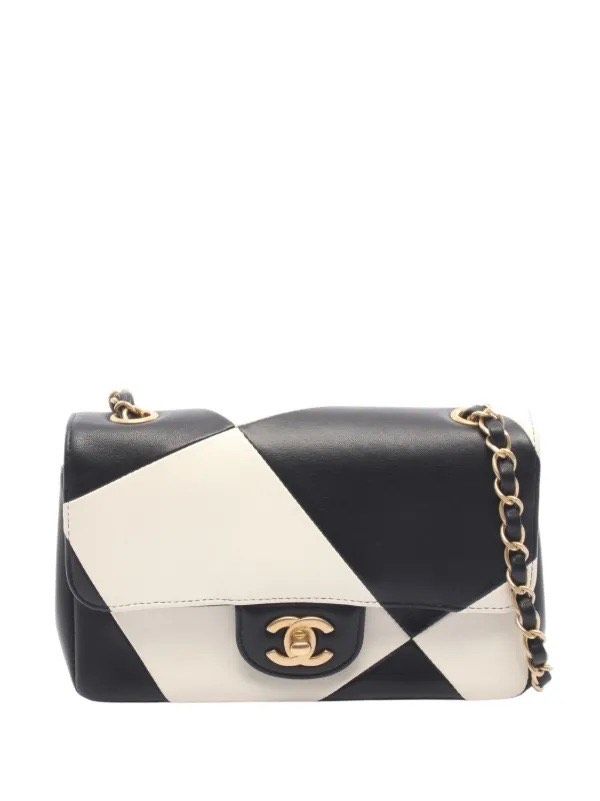
Between the end of 2019 and September 2024, luxury goods prices across Europe rose an average of 54 percent, far outpacing inflation, according to an analysis by HSBC Holdings. The averages always conceal the extremes. The Classic Flap’s near-doubling is spectacular, but it is not an anomaly. Kering, the parent company of Gucci and Saint Laurent, watched its net profit collapse by 62 percent in 2024. LVMH, which owns Louis Vuitton and Dior, reported a 4 percent revenue decline and a 22 percent profit drop across the first half of 2025. And between 2023 and 2025, approximately 80 percent of the luxury market’s total growth came not from selling more things to more people, but from charging more money for the same things to the same people.
The industry did not raise prices because the product got better. It raised prices because, for a period, it could. The pandemic turbocharged luxury spending as household net worth surged and the available channels for conspicuous consumption narrowed to what could be bought and photographed rather than experienced. Brands identified the window and moved through it. Price increases averaged 21 percent across 2021 to 2023, reaching peaks of 45 percent on Chanel and Louis Vuitton’s most iconic pieces. And then, as these things always do, the window closed.
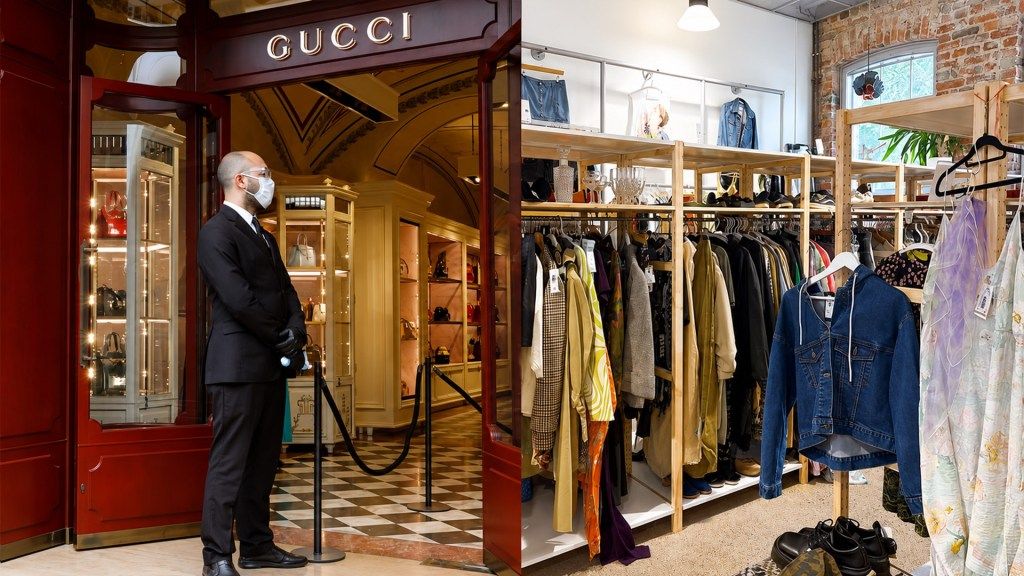
What follows a breach of trust at this scale does not appear first in boardroom forecasts. It appears in behavior. In 2022, 50 percent of buyers on Vestiaire Collective, one of the largest luxury resale platforms globally, cited affordability as their primary motivation. By 2025, that figure was 78 percent. Secondhand luxury market is now forecast to grow two to three times faster than the firsthand market through 2027. This is not a story about bargain hunters. It is a story about a generation of buyers who paid too much, absorbed the lesson, and restructured their entire relationship to fashion around what they learned.
The instinct, confronted with data this stark, is to make it entirely about money. To frame it as class economics, as cost-of-living displacement, as the inevitable consequence of an inflationary cycle. All of those frames are accurate. None of them are complete.
The consumer who turned to secondhand did not simply get priced out. She got smarter. He started paying different attention. They developed, through the repetition of disappointment, something rarer and more durable than trend literacy: a personal point of view. The person who spends six months searching for a specific 1990s Armani jacket has committed an act of self-knowledge that no algorithm can replicate and no boutique can manufacture. Fashion spent a decade trying to make desire scalable. The consumer, across 2025 and 2026, quietly refused to be scaled.
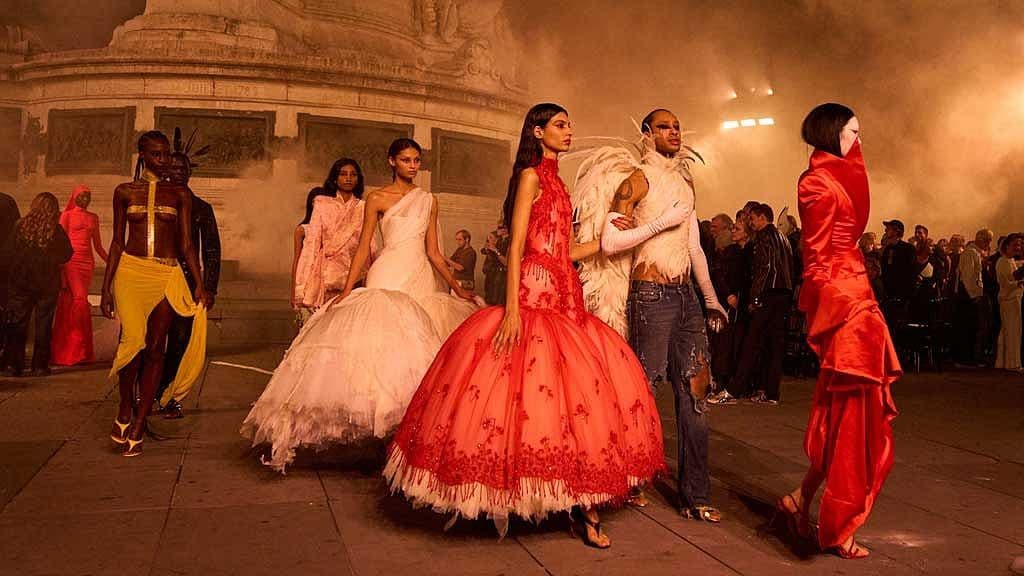
The industry’s response was predictable, swift, and insufficient. It replaced the creative directors. Balenciaga, Bottega Veneta, Celine, Chanel, Dior, Fendi, Gucci, Loewe, Valentino: all arrived at runway shows across 2025 and 2026 with new names at the helm. The simultaneous upheaval was, by every measure, unprecedented in the modern era. Demna Gvasalia made the singular move from Balenciaga to Gucci, carrying both the weight of a decade-long cultural argument and the expectations of a house in urgent need of narrative reset. The carousel accelerated. New faces stepped into old frames. The formula, the long-practiced art of charging not for the garment but for what wearing it communicates, persisted beneath every new byline.
And on the other side of that formula, evidence was accumulating that what the consumer wanted from 2027 fashion was less communication and more truth.
The forecasters had been watching. WGSN and Coloro, whose trend intelligence informs production timelines for brands planning two and three seasons ahead, named ‘Redirection’ as their overarching theme for the 2026-27 period. The word is deliberate and worth holding. Not revolution. Not reinvention. Redirection. A course correction undertaken mid-journey, one hand still on the wheel, the other pointing somewhere purposefully different.
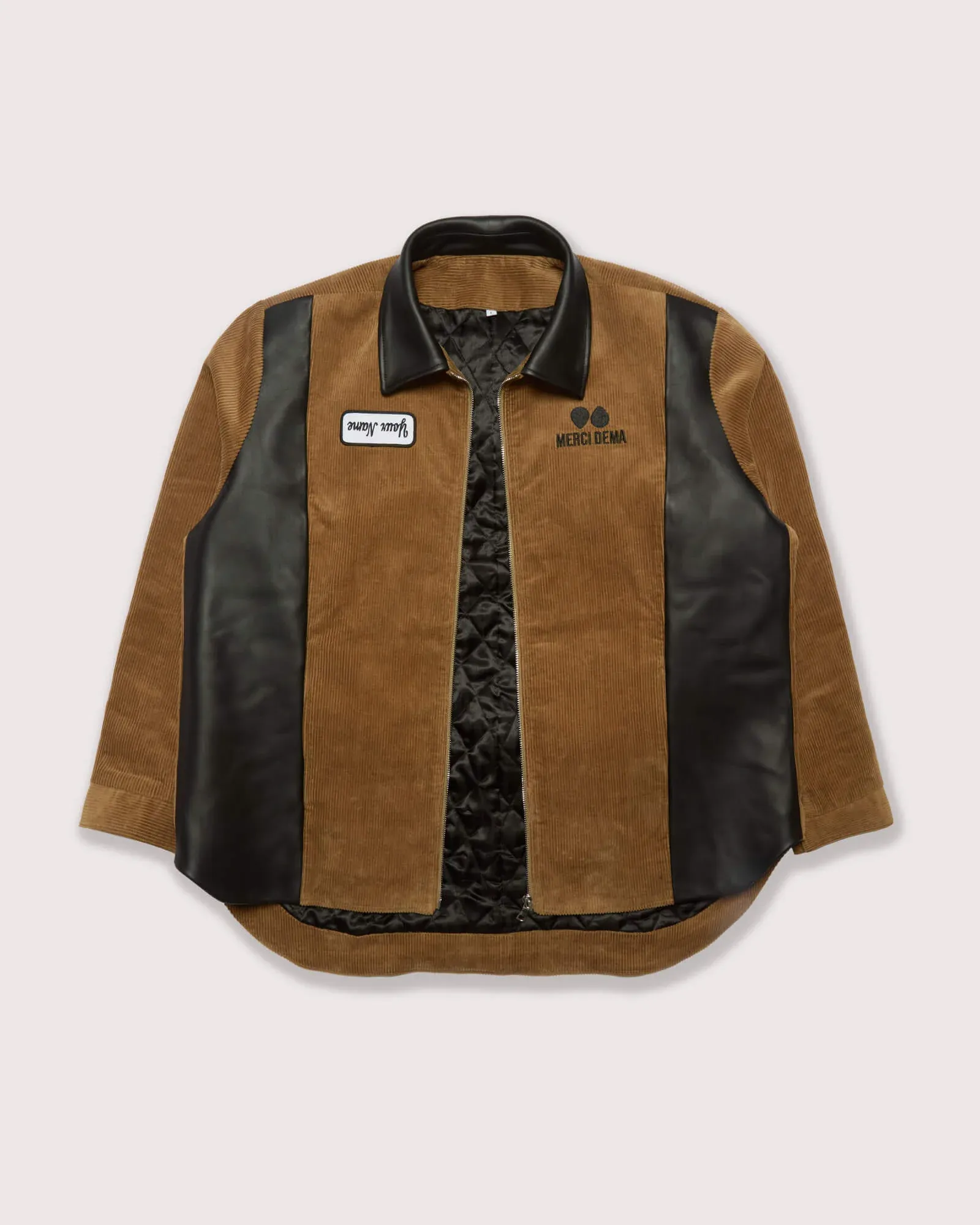
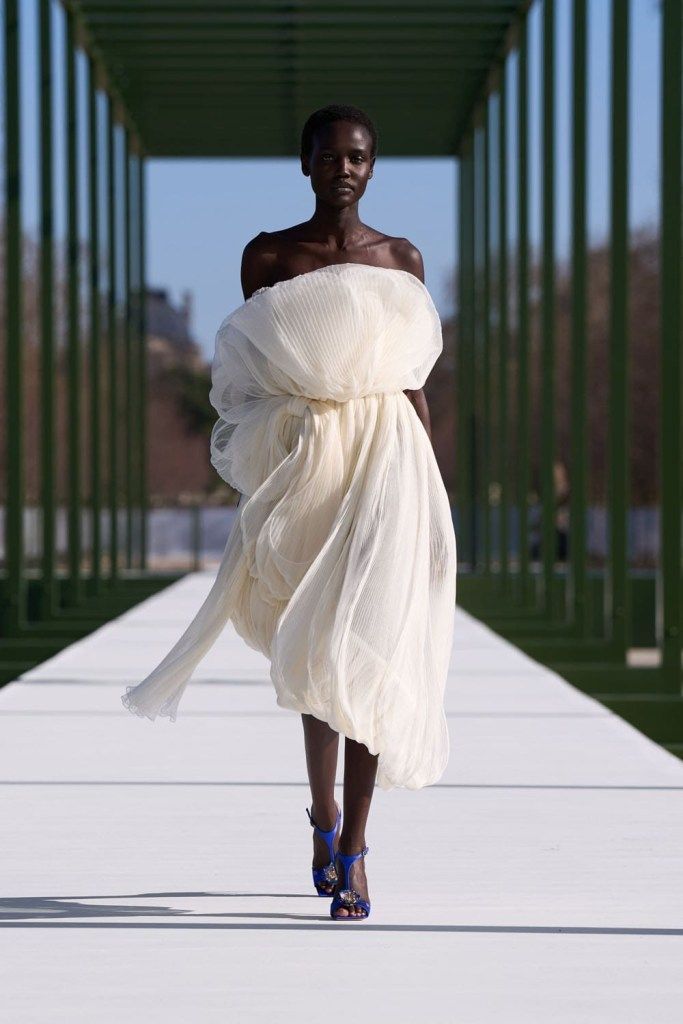
What the Fall/Winter 2026-27 runway communicated, for those watching past the headline looks, was a return to the primacy of construction. Head-to-toe black dominated not as trend statement but as architectural one: when color contrast is removed, fabric becomes the only argument and silhouette carries the full weight of meaning. Giorgio Armani, Alaïa, Victoria Beckham, and Alberta Ferretti all worked in this register, offering rounded shoulders, precise seaming, velvet surfaces that absorbed and held light rather than competed for it. Outerwear thickened. Tailoring softened at the shoulder while strengthening at the line. The body was neither hidden nor displayed. It was dressed.
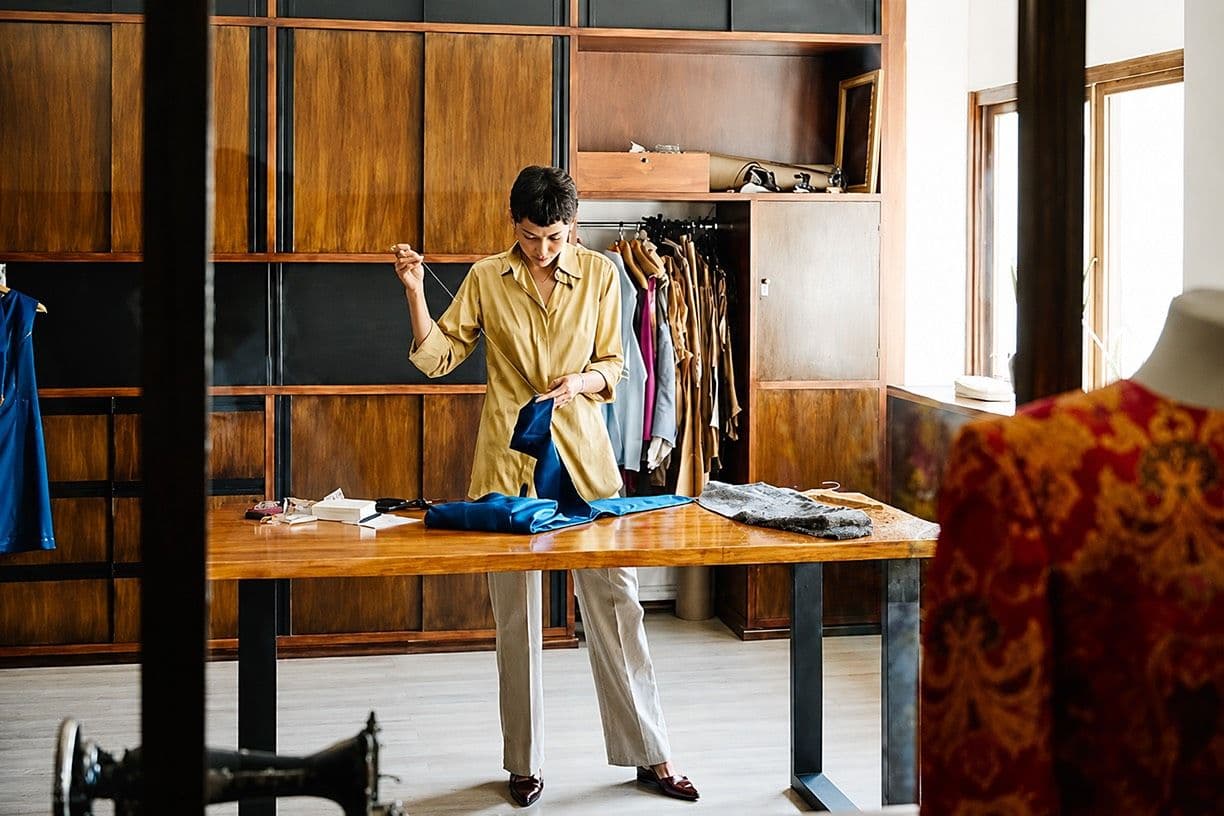
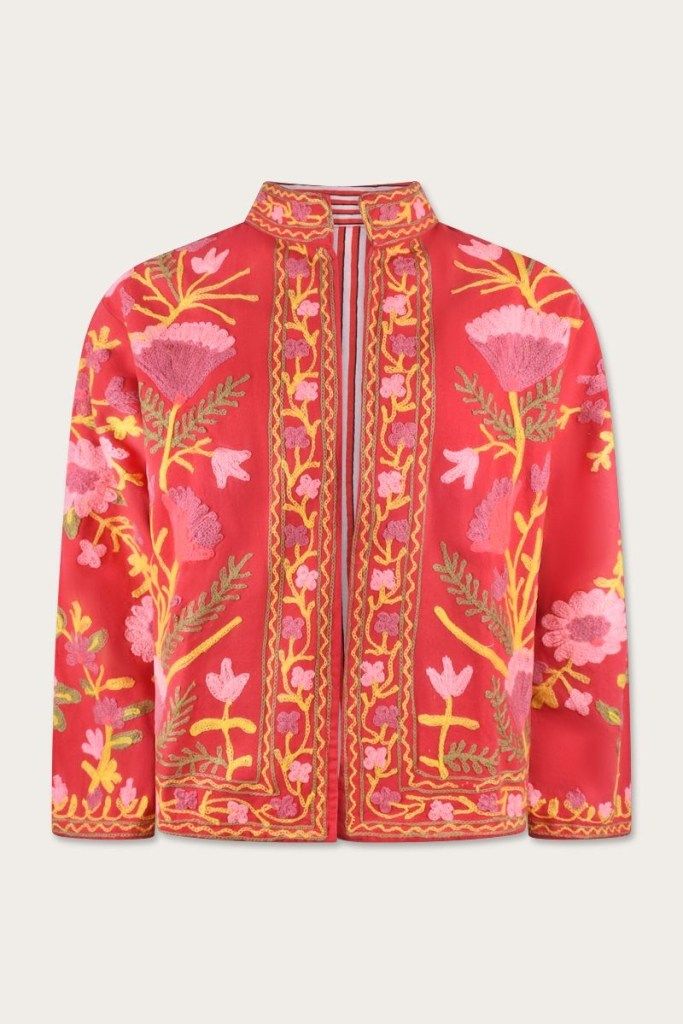
The AW2027-28 forecast extends this arc into explicitly philosophical territory. C2 Fashion Studio names what it calls ‘deeply human materiality’ as the governing ethos of the season. The forecast describes garments that highlight the human hand rather than erase it: raw edges, irregular stitches, natural fibers deployed not as sustainability virtue signaling but as what the studio terms ‘sensory refuge’ from the high-definition, algorithmically curated visual texture of daily digital life. The silhouettes predicted for AW2027-28 are intimate and protective. Outerwear that breathes. Knitwear that hugs rather than constrains. These are clothes conceived for bodies that inhabit the world, not bodies performing for cameras.
To understand why 2027 moves in this direction, it is worth accounting honestly for what the years preceding it produced. The microtrend era, accelerated by TikTok’s aesthetic cycles, generated the ‘mob wife,’ the ‘clean girl,’ the ‘coastal grandmother,’ and ‘quiet luxury’ inside the same eighteen-month window. Each framework held cultural authority just long enough to create a purchasing impulse before the next one arrived to render it irrelevant. Consumers who participated in those cycles did not simply spend money they did not have on things they did not need. They
also lost, repeatedly and briefly, something more difficult to recover: access to their own perspective.
By 2026, the data was recording something measurable in response. According to the BoF-McKinsey State of Fashion 2026, consumers were visibly migrating away from microtrends and toward brands offering what the report called ‘clearer values and longer-form storytelling.’ The curation aesthetic, built around deliberately reworn pieces, considered vintage finds, and wardrobes assembled over years rather than seasons, was gaining real cultural traction. The person who dressed from a coherent internal perspective, rather than from the trending reference of the week, was beginning to carry more authority in the conversation than the one who didn’t.
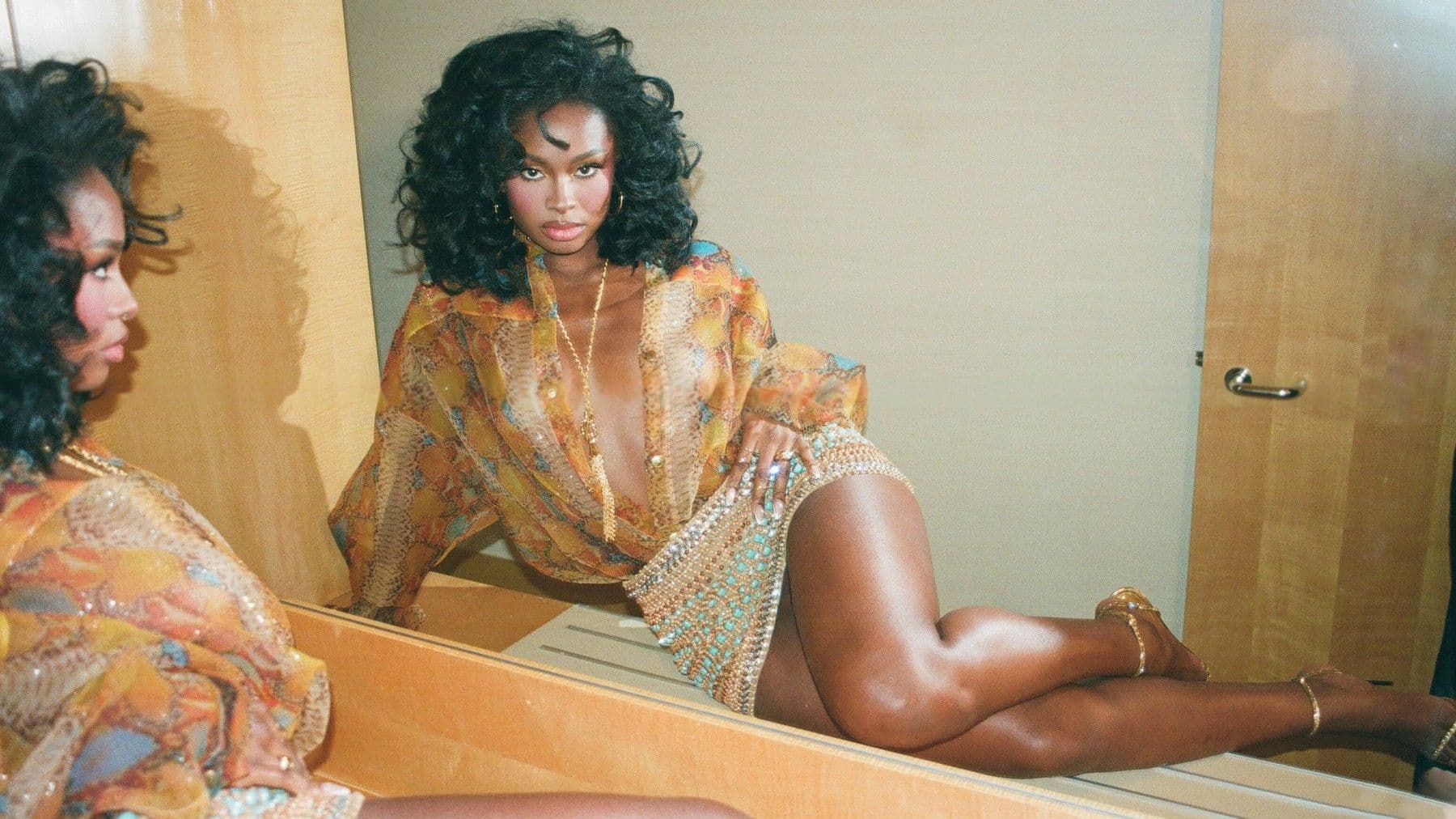
Spring/Summer 2027, developed from early runway signals and directional long-range data, names this moment ‘The Awaited Awakening.’ The C2 Fashion Studio forecast describes silhouettes with architectural precision that refuse rigidity, garments that envelop the body without constraining it. The color palette is positioned as ‘a diffused aesthetic, like a memory dissolving into the air,’ with terracotta emerging as a central reference: that charged meeting point of earth and architecture, the organic and the built. This is not a season organized around novelty. It is a season about knowing, precisely, what you are.
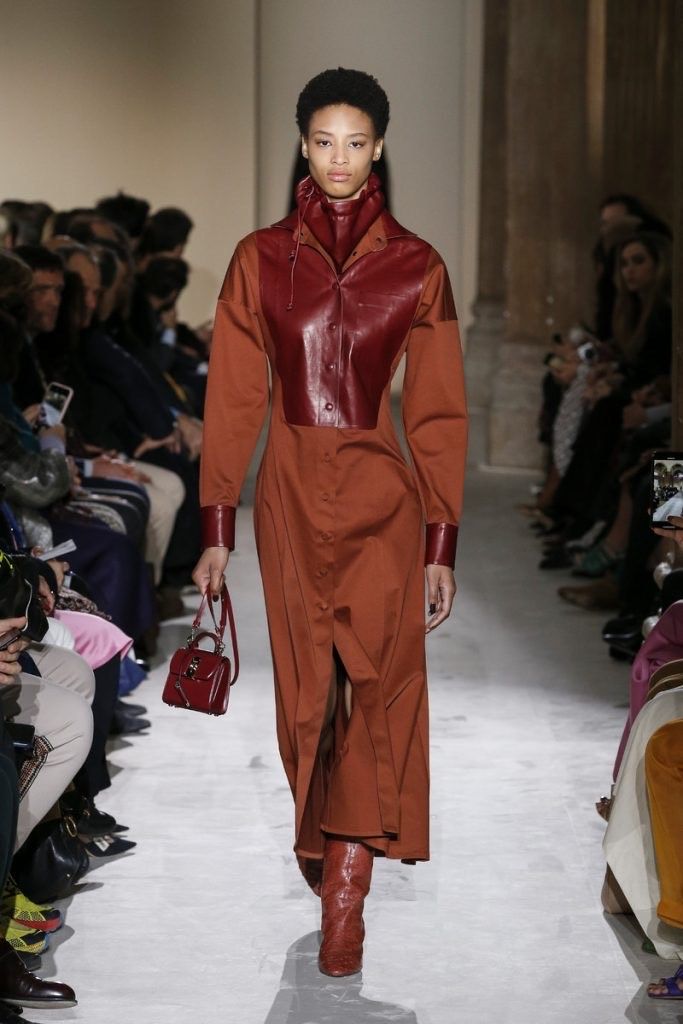
What separates 2027 structurally from prior cycles of forecasted authenticity is the regulatory infrastructure arriving at exactly the same moment as the aesthetic shift. The European Union’s Digital Product Passport, codified under the Ecodesign for Sustainable Products Regulation, will have its delegated acts for textiles finalized by 2027. In practice: every garment sold in Europe will be legally required to carry verified, scannable data on its fiber composition, supplier origin, chemical compliance, and environmental impact. The legislation applies to every brand entering
the EU market, regardless of where that brand is headquartered or registered.
“For the first time, the story on the label will have to match the story in the supply chain.”

The ‘made in Italy’ tag that gradually stopped meaning what it once implied. The ‘ethically sourced’ label with no enforcement mechanism behind it. The ‘sustainable collection’ that turned out to be eight percent recycled polyester and ninety-two percent marketing language. All of these will need, from 2027 forward, to survive actual scrutiny. Brands that have built production structures around authentic craft, verified supply chains, and demonstrable material provenance are not simply making aesthetically correct choices. They are constructing evidence.
This is worth stating plainly: the craft revival documented across the 2027 forecasts is not a purely aesthetic movement. It is, in significant part, the industry’s preparation for a world in which it can no longer claim what it cannot prove.
There are two ways to read the convergence shaping 2027 fashion. One is catastrophic: the industry is cornered, its mythology exposed, its pricing model under sustained pressure, its sustainability claims no longer voluntary. The other reading is more interesting. Fashion, unlike almost any other industry, has the capacity to metabolize its own constraints into vocabulary. The accountability being imposed from Brussels is the same accountability that certain designers have always operated within, the ones who never left the atelier, who never stopped treating construction as the primary argument of a garment. Those brands will not look different in 2027 because the law changed. They will look confirmed.
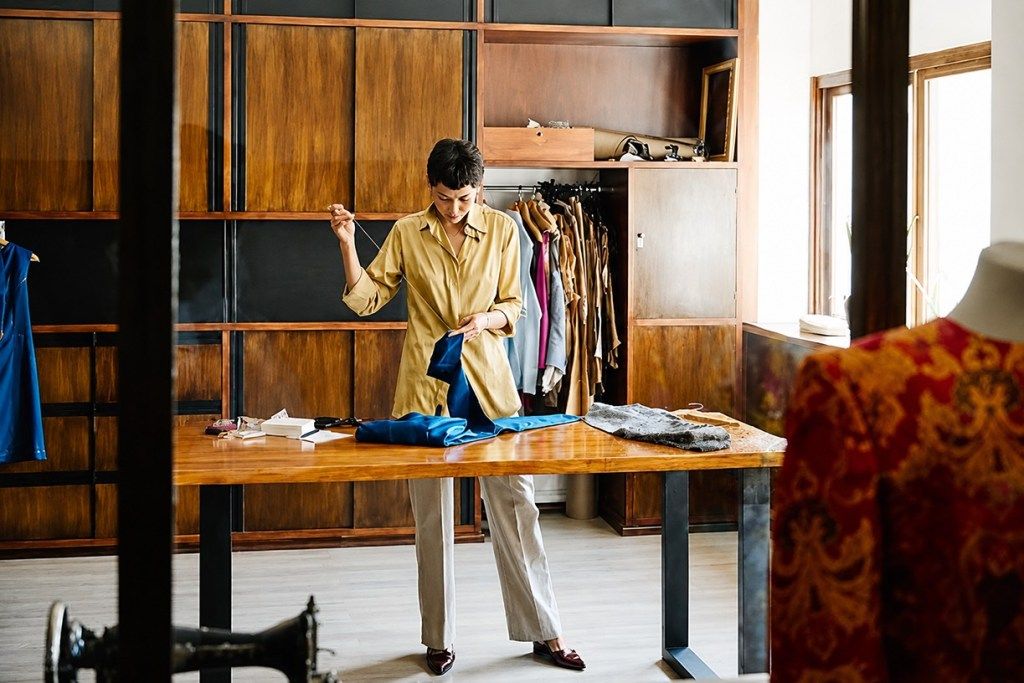
The person getting dressed in 2027 will be someone who watched fashion’s promise negotiate with itself and drew a conclusion. They will have seen the boutique’s number change on the tag while the garment stayed identical. They will have turned to secondhand not as a compromise but as a preference, a first and deliberate choice, an act of self-determination. They will have outlasted several microtrend cycles and emerged with something harder to acquire than a closet full of this season’s references: a personal aesthetic. And from 2027 forward, they will also carry the legal right to scan a garment’s tag and receive verified confirmation of whether the story being sold is true. That is a new kind of power, and it belongs entirely to the person wearing the clothes.
What the 2027 forecasts collectively describe is not a trend cycle. It is a correction. The silhouettes are structured because unstructured things cannot hold their shape under pressure. The textures are tactile because an industry and its audience are exhausted by surfaces that can only be seen, not touched. The colors carry the warmth of earth and memory because the algorithmically optimized palette, the trend-committee blue, the A/B-tested neutral, has left too many people feeling that fashion was something happening to them rather than something they were actively doing.
Fashion has always been the shape we give to the moment we are living through. The shape of 2027 has weight. It is honest about its construction. It is provably what it claims to be. And if beneath the structural tailoring and the terracotta palette and the hand-finished edge there is something like the beginning of a restored trust between the industry and the people who have funded it, then that, finally, might be the most radical thing fashion has produced in years.