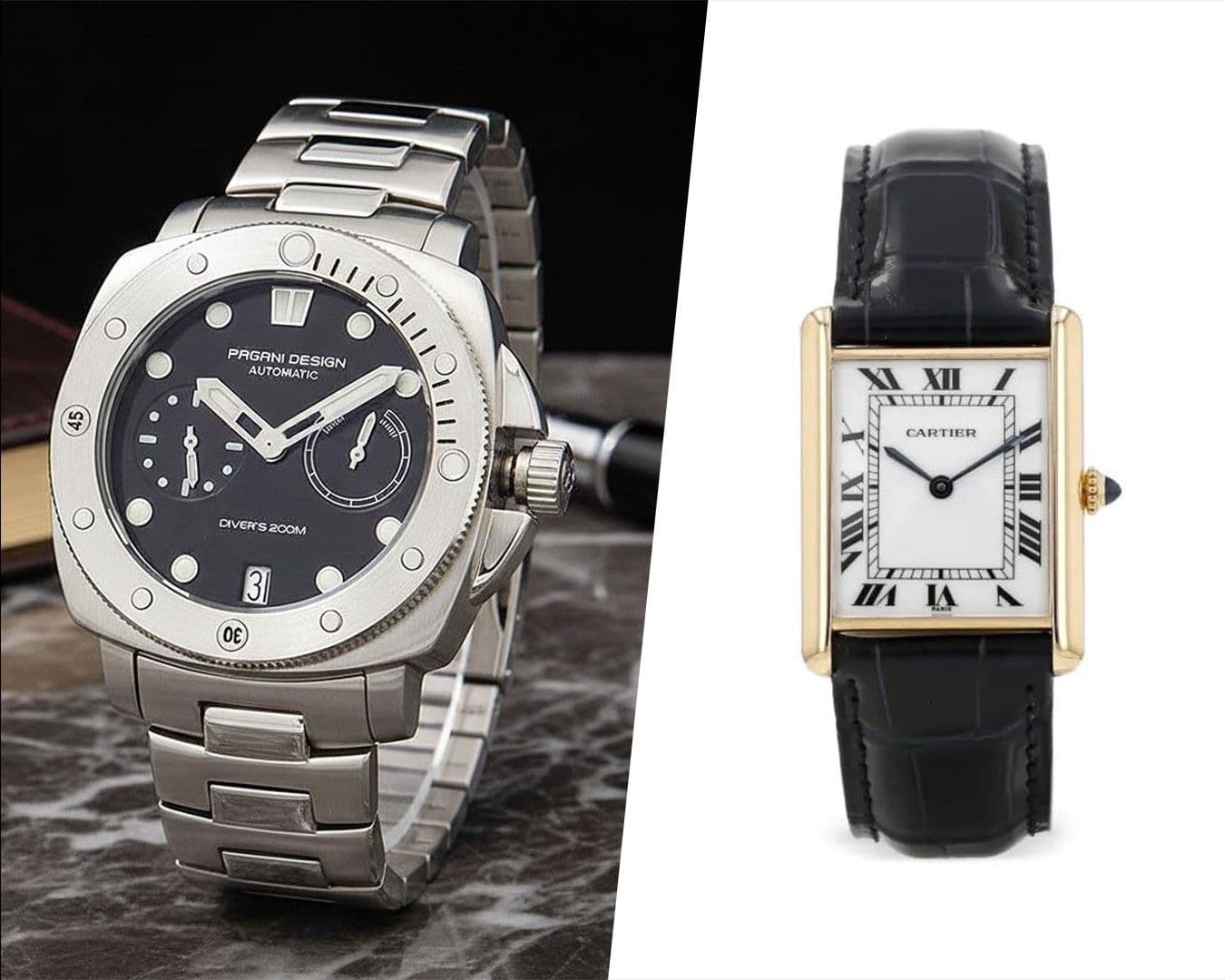
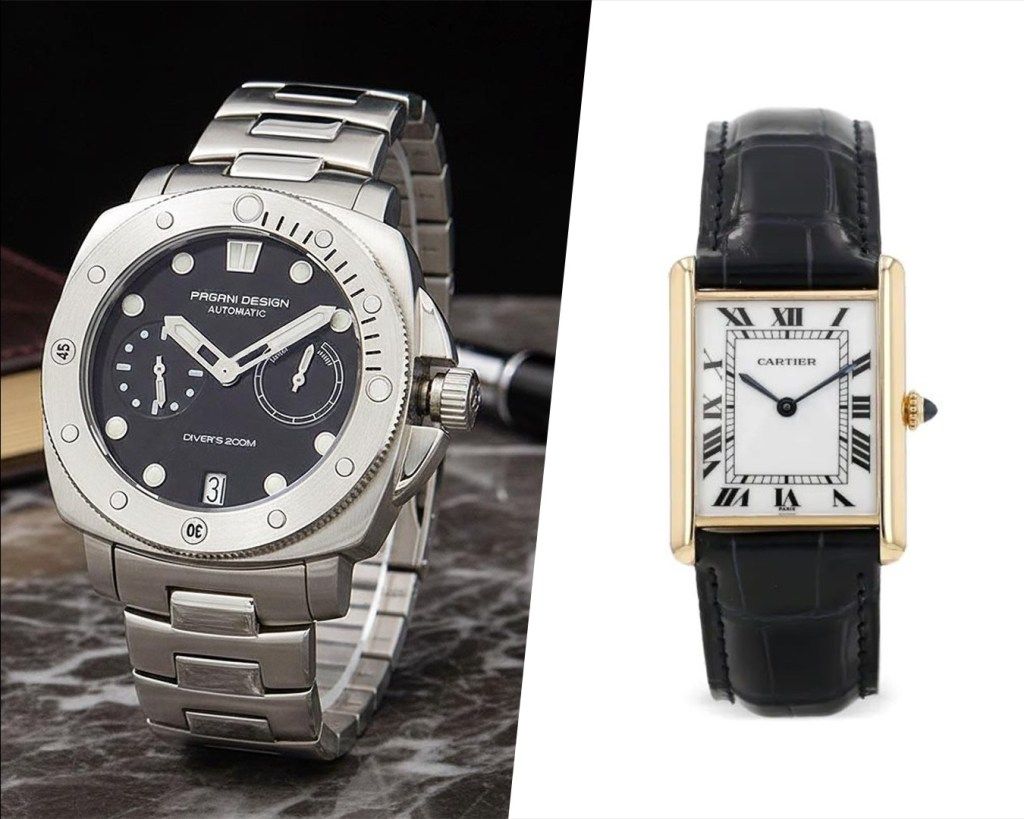
For the better part of two decades, the watch industry ran on a single instruction: make it bigger. The 44mm pilot watch, the 46mm dive chronograph, the steel sport watch heavy enough to announce itself before anyone saw the dial. The dress watch revival of 2026 is the correction to that instruction, and it is happening faster, and with more money behind it, than most of the industry expected.
This is not a nostalgia story. It is a market story. According to the Global Wrist Watch Report from Watchfinder & Co., dress watches now account for 7.2 percent of pre-owned watch sales, while sports watch sales have softened nearly four points to just over half the market. Case sizes that would have been dismissed as undersized five years ago, in the 34mm to 38mm range, are now the ones moving fastest. Retail price lists for 2026 show steel models up between 5 and 11 percent and precious metal pieces up as much as 20 percent industry-wide, with gold itself surging past $5,000 an ounce this year. The math is doing something the marketing never could: making restraint expensive again.
The Retreat from Spectacle
To understand why this is happening now, it helps to understand what it is correcting. The sport watch did not become dominant by accident. The Submariner, the Royal Oak, and the Nautilus became cultural shorthand for a decade of wealth signaling, one built on waitlists, hype drops, and a resale premium functioning as a public scoreboard. That model required scarcity to manufacture desire, and it worked until it didn’t. Waitlist culture eventually does what all hype cycles do. It saturates. Once everyone with money has the watch, the watch stops doing the one thing it was bought to do.
The Brand Actually Winning This
If there is a single name behind the dress watch revival, it is Cartier, and the scale of its dominance is not subtle. Cartier represents roughly two-thirds of dress watch resale activity, according to Watchfinder data, with the Tank and Santos tied as the most searched and sold references, followed by the Ballon Bleu. Average order values for the brand have climbed more than a third in three years, and sales volume grew an estimated 75 percent year over year heading into 2026. Some of that has a very specific, very public origin point: when Taylor Swift’s engagement photo with Travis Kelce surfaced last year, she was wearing a neo-vintage yellow gold Cartier Santos Demoiselle, and the secondary market noticed immediately. A culture moment did in a weekend what a decade of advertising could not, it made a thin gold watch feel inevitable again.
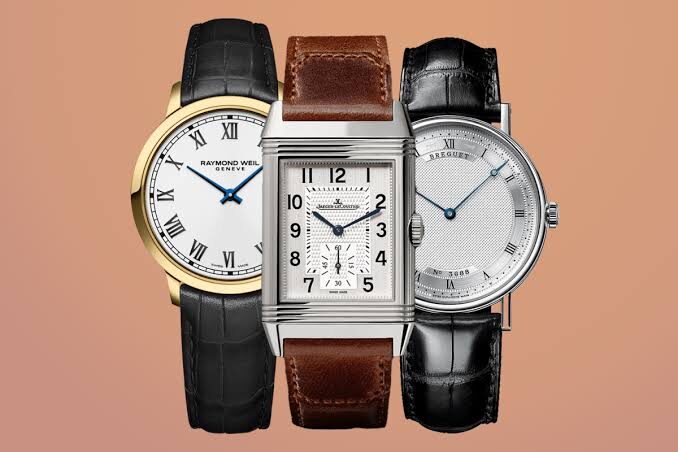
Behind Cartier, the order is unglamorous but instructive: Jaeger-LeCoultre, Rolex’s Cellini line, Longines, IWC, and Patek Philippe trail at single-digit market share. The brands doing well here are not the ones chasing complications. They are the ones who never stopped making something thin.
Subscribe to Cohesive’s newsletter for the analysis behind the headlines, before the rest of the industry catches up.
Quiet Luxury Was Never the Point
The easy explanation for all of this is “quiet luxury,” a phrase that has by now been used to sell everything from cashmere to crossovers and has stopped meaning much of anything. It is worth saying plainly: quiet luxury was never really about quiet, and it was never really about luxury. It was about who gets to look unbothered. As we argued in our earlier piece on quiet luxury’s collapse and Africa’s prior claim to its actual vocabulary, the instinct to read restraint as the highest form of taste is not a 2023 marketing invention. It is a much older code, and one the trend press keeps discovering as if for the first time.
A Vocabulary Africa Already Had
This is where the dress watch revival becomes more interesting than another cycle of horological nostalgia. A thin gold watch worn beneath the sleeve of an agbada, barely visible until the wrist moves, is one of the oldest status codes in West African dress. It was never loud, and it was never meant to be. The logic was the opposite of the sport watch boom: the watch did not need to be seen to be understood. The room already knew who was wearing it. The global trade press is currently treating the appeal of a slim, legible, precious-metal dress watch as a discovery. For a continent that has been dressing this way for generations, it is closer to a continuity, one that has rarely been credited as the source. We have made this argument before, most directly in our piece on Nigerian
designers and the gap between cultural authorship and who actually gets paid for it, “Everyone Wants Nigerian Fashion. Nobody Wants to Pay for It.” The same extraction logic applies here. The aesthetic travels. The credit does not.

Collecting Without Getting Played
For anyone actually buying into this moment rather than just reading about it, the rules of vintage dress watch collecting have not changed even if the prices have. Originality is everything: original dial, original hands, unpolished case edges, a movement that has been serviced rather than ignored. A complete set, meaning original box, papers, and warranty card, can add 15 to 25 percent to a sale price on its own. Limited and discontinued references, the Cartier Tank Must in its earlier executions, the now-defunct Patek Calatrava 5196, hold a premium specifically because the supply will never increase again. None of this is new collecting wisdom. What is new is the volume of younger, first-time buyers entering this category without that wisdom, which is exactly the condition under which a market gets overheated.
The Case Against This Lasting
A think piece that only makes the bull case is a press release, not analysis. Some of the sharpest voices in the watch trade remain unconvinced this trend has staying power. Industry analysts at outlets like The Watch Collectors’ Club have pointed out that dress watches have never dominated sales volume, that tool and dive watches still outsell them by a wide margin, and that the pendulum of taste has swung back toward sportier pieces before and likely will again. Even at its current growth rate, the category sits at 7.2 percent of the pre-owned market. That is a meaningful shift in direction, not a changing of the guard. The honest read of the data is a connoisseur-class correction happening inside a market still built around the sport watch, not a reversal of it.
Subscribe to Cohesive for more dispatches like this one, sent before the trend pieces catch up to the data.
What the dress watch revival of 2026 actually represents is a recalibration of what a flex looks like once everyone who wanted the loud version already owns it. Restraint is the harder signal to fake precisely because it requires confidence rather than capital. A 44mm steel watch tells a room what it cost. A 34mm gold one assumes the room already knows who is wearing it, and does not need to convince anyone otherwise.
Frequently Asked Questions
What is a dress watch?
A dress watch is a thin, simply finished timepiece, typically with a clean three-hand dial and a case under 40mm, designed to sit close to the wrist under a cuff rather than make a sporting or technical statement. It is built for formality and proportion rather than water resistance or complications.
Why are dress watches trending in 2026?
A combination of market fatigue with oversized sport watches, a generational shift among younger collectors toward smaller case sizes, rising precious metal valuations, and a handful of high-profile cultural moments have pushed thin, classic watches back into demand. Secondary market data shows dress watch sales growing while sport watch share softens.
What is the best dress watch to buy right now?
The Cartier Tank and Santos lead resale demand by a wide margin and remain the safest entry points. Collectors looking for something with less cultural noise around it tend to look at Rolex’s Cellini line or the Jaeger-LeCoultre Reverso, both of which offer comparable pedigree without the waitlist culture attached to Cartier’s most visible references.