Fashion has always borrowed from music—but every so often, an artist flips the dynamic and becomes the source. Not just wearing trends, but setting them. Not just collaborating with designers, but shifting the direction of style itself. These are the musicians who turned image into influence and made fashion part of their language.
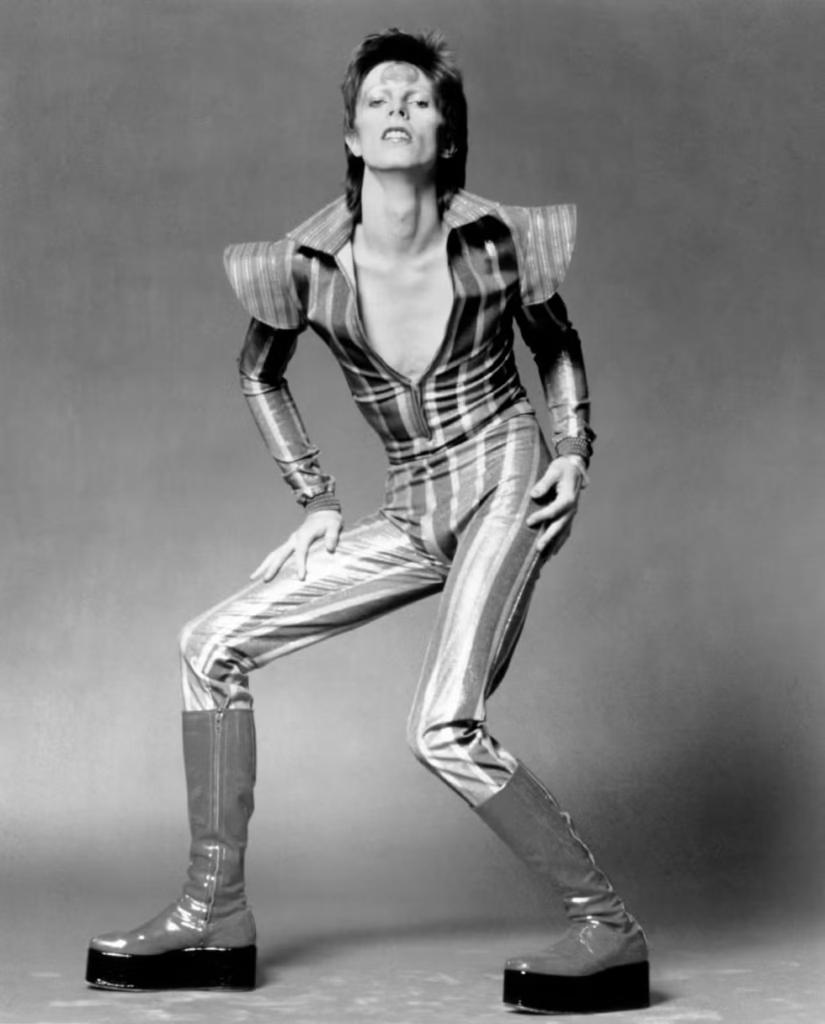
Long before fashion and music were fully intertwined, David Bowie approached style like a living concept. His transformations weren’t just aesthetic—they were cultural interruptions. Ziggy Stardust wasn’t simply a look; it was a declaration that identity could be fluid, theatrical, and futuristic all at once. Bowie didn’t follow fashion cycles—he existed outside of them, creating a visual vocabulary that designers still reference today.
Then came the collision of hip-hop and luxury, and few figures pushed that forward like Kanye West. His early style felt accessible—layered polos, sneakers, everyday aspiration. But his evolution into stripped-back minimalism and high-concept design reframed how artists engage with fashion. He didn’t just sit front row; he walked into the industry and demanded space. In doing so, he helped redefine what modern luxury could look like—less about logos, more about silhouette, tone, and cultural weight.
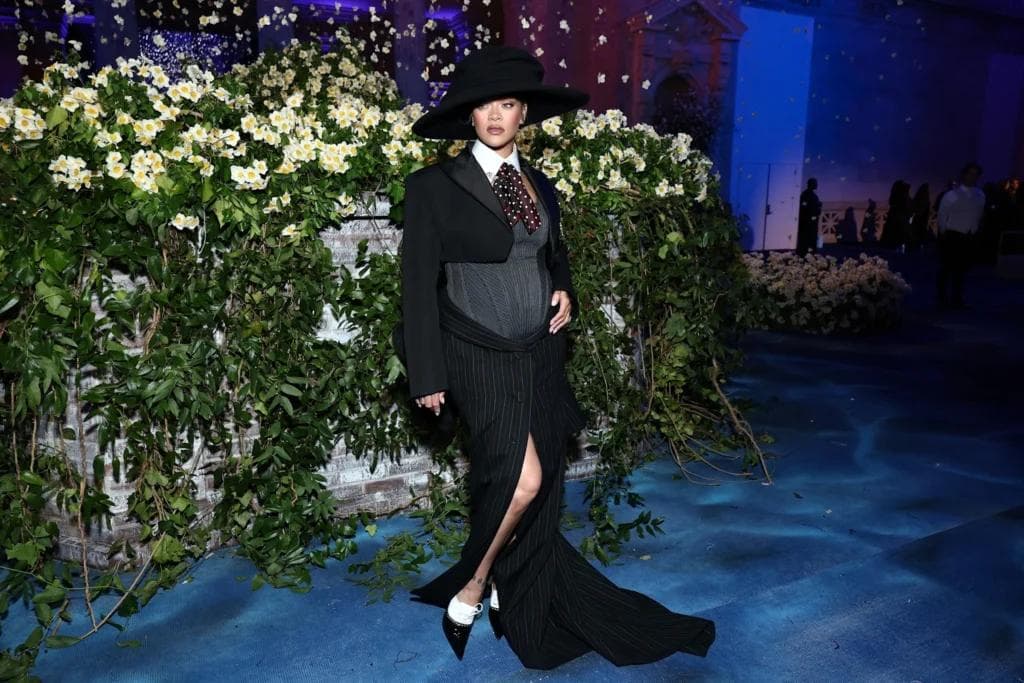
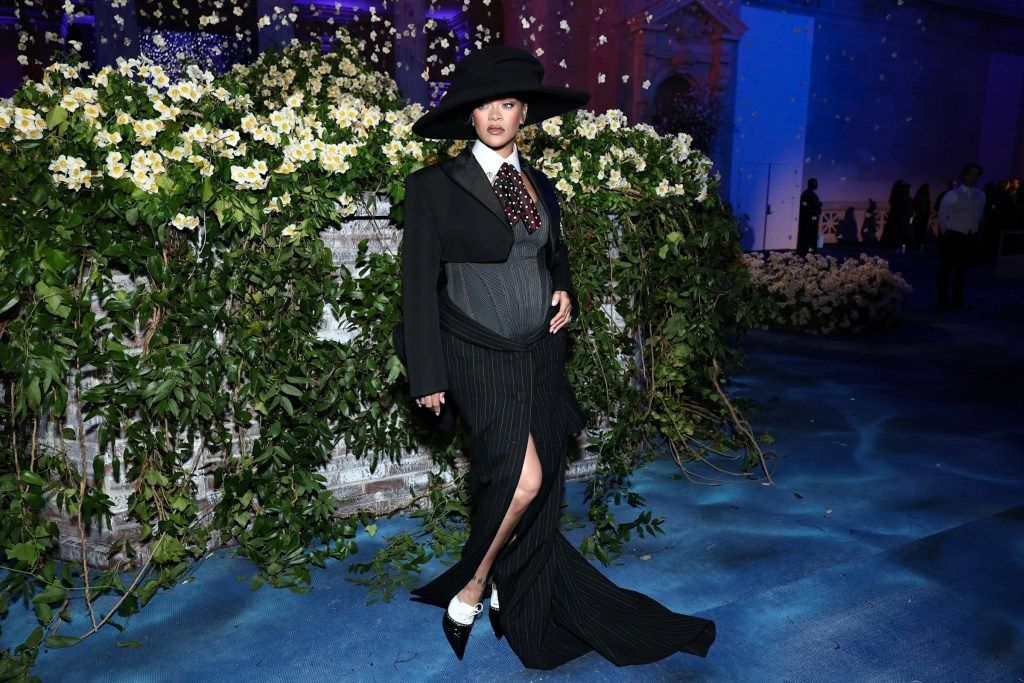
Where some artists evolve, Rihanna expands. Each era of her career feels visually distinct, yet undeniably her own. She moves between streetwear, couture, and experimental styling with ease, never appearing to chase relevance—only to set it. What makes her influence different is control. She doesn’t just wear fashion; she builds ecosystems around it, proving that the artist can be both muse and architect.
There’s also a quieter revolution—the kind that doesn’t demand attention but earns it. Pharrell Williams has spent decades shaping taste from the inside out. From early streetwear collaborations to redefining what luxury leadership looks like, his style has always felt effortless but intentional. He represents a shift where cultural credibility becomes just as valuable as design itself.
On the opposite end of the spectrum sits pure spectacle. Lady Gaga turned fashion into performance art, using clothing not just to express identity but to challenge perception. Her most extreme looks weren’t about shock value alone—they were about expanding the boundaries of what fashion could communicate. And when she pivoted to classic elegance, it wasn’t a retreat—it was range.
Then there are those who make fashion feel instinctive. A$AP Rocky exists at the intersection of street and high fashion without forcing either. His influence lies in how naturally he blends worlds that once felt separate. He doesn’t just wear brands—he translates them, making global fashion feel personal and immediate.
And with Beyoncé, fashion becomes legacy. Her evolution is deliberate, precise, and deeply connected to narrative. Every era is documented through styling that reinforces power, culture, and identity. She doesn’t follow trends because she operates on a different timeline—one where fashion is part of a larger, carefully constructed story.
What ties all of these artists together isn’t just style—it’s intention. They understand that fashion is more than clothing; it’s communication. A way to signal change, to challenge norms, to leave a mark that outlives a moment.
Trends fade. Influence doesn’t. And the artists who define fashion aren’t the ones who wear it best—they’re the ones who make the world see it differently.